


Blue lotus oil
Flea Seed oil
Flea Seed Oil is derived from the seeds of Plantago ovata, commonly known as psyllium or isabgol. The name "flea seed" comes from the seed’s resemblance to tiny fleas in shape and color.
✅ Key Properties:
- Rich in soluble fiber: Helps regulate digestion and bowel movements.
- Natural laxative: Forms a gel-like substance when mixed with water, easing constipation.
- Prebiotic benefits: Supports gut health by promoting beneficial bacteria.
- Cholesterol-lowering: Binds to cholesterol in the digestive tract and helps eliminate it.
- Blood sugar control: May help stabilize glucose levels, especially in people with type 2 diabetes.
- Heart health: Supports cardiovascular wellness through fiber and cholesterol management.
🌱 Common Uses:
- As a dietary supplement for digestive health.
- In natural remedies for constipation and mild diarrhea.
- Occasionally used in skin care for its soothing properties.
- In gluten-free baking to improve texture and moisture retention.
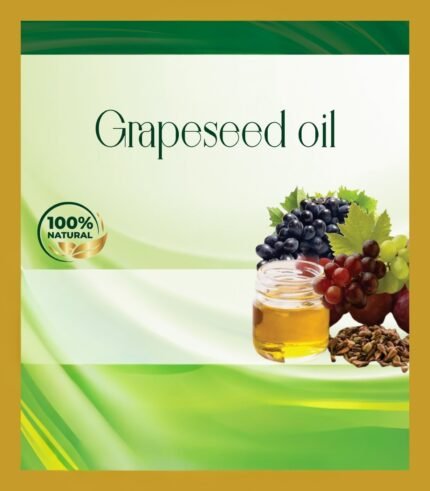
Grapeseed oil
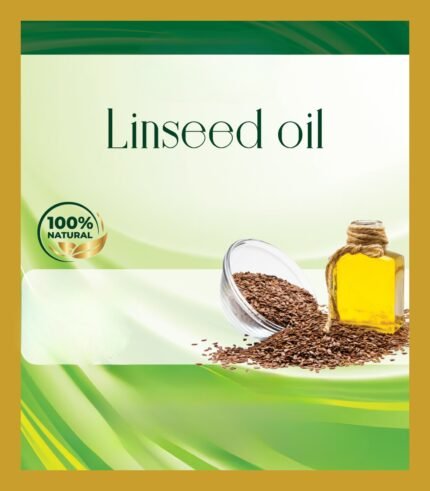
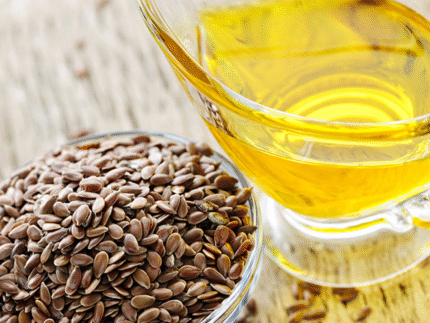
Linseed oil
🌿 Overview of Linseed Oil
✅ Edible Linseed Oil (Flaxseed Oil)
- Rich in Omega-3 fatty acids, especially alpha-linolenic acid (ALA)
- Supports heart health, brain function, and skin hydration
- Used in salad dressings, smoothies, and as a dietary supplement
- Must be stored in a cool, dark place—it’s sensitive to heat and light
🛠️ Industrial Linseed Oil
- Acts as a drying oil, hardening upon exposure to air
- Commonly used in:
- Wood finishing (protects and enhances grain)
- Oil paints (as a binder and medium)
- Linoleum flooring and putty
- Available in forms like raw, boiled, and stand oil
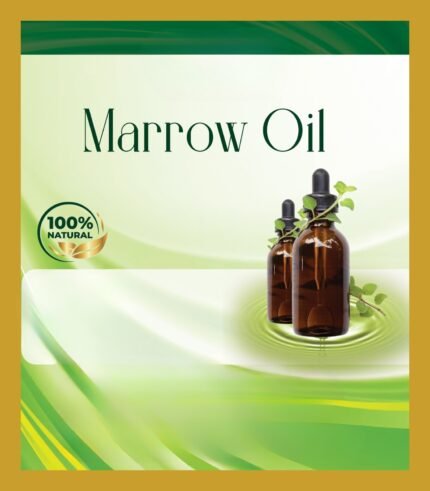
Marrow Oil